|
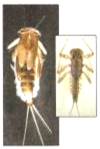
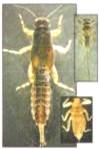
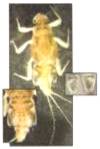
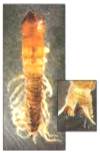
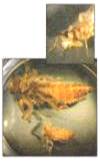
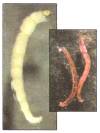
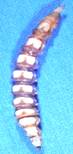
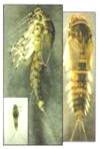
Flatheaded mayfly
Pronggill mayfly
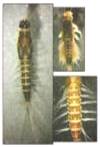
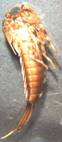
Perlodid stonefly
Common netspinner
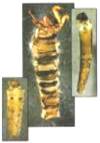
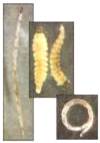
Humpless case caddisfly
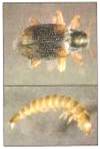
WV Save Our Streams Riffle beetle
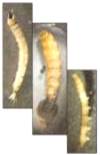
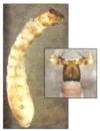
Diptera (true flies) Cranefly
Watersnipe
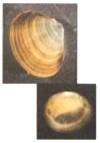
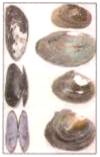
Non-Insects Clams
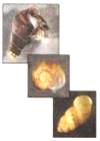
Snails
WV Save Our Streams |
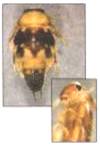
Spiny crawler mayfly
Brushlegged mayfly
Small winter stonefly
Tube net caddisfly
Saddle case caddisfly
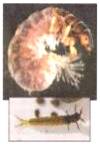
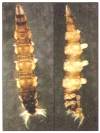
Water penny
Blackfly
Biting midge (Punkie)
Mussels
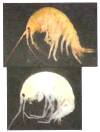
Scud (Sideswimmer)
|
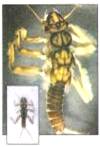
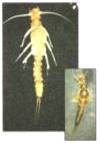
Little stout crawler mayfly
Roach-like stonefly
Golden stonefly
Northern case caddisfly
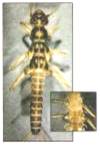
Fishfly (Hellgrammite)
Dragonfly
Midge
Horsefly
Leeches
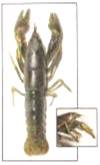
Crayfish
|
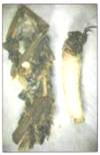
Small minnow mayfly
Green stonefly
Free-living caddisfly
Leptocerid case caddisfly
Alderfly
Damselfly
Net-wing midge
Dixid midge
Aquatic worms
Aquatic sowbug
|
The
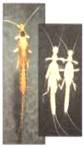
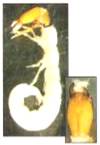
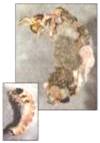
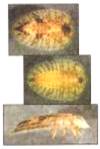
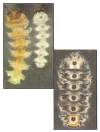
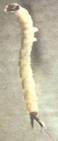
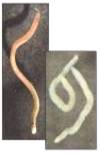
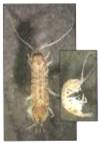
purpose of this guide is to provide images and common names of aquatic
macroinvertebrates that volunteers may collect from our streams and
rivers. This is not a complete list
and is only meant to distinguish between the most common orders and a few
representative families (kinds). The images do not depict the actual sizes or
proportions of the aquatic macroinvertebrates. Additional information about the WV Save
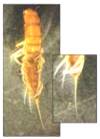
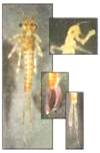
Our Streams Program can be found on the Internet at http://www.wvdep.org/dwwm/wvsos. Insect Groups Mayflies (order Ephemeroptera): Three pairs
(6 total) of legs; one hooked claw at the end of each leg; gills on the
abdomen (may be covered by plates); 2 or 3 tail filaments and 2 short
antennae. Sensitive – Somewhat Tolerant Stoneflies (order Plecoptera): Three pairs of
legs (6 total); 2 hooked claws at the end of each leg; no gills on most of
the abdomen but may have gills on the legs, thorax and upper abdomen; 2 tail
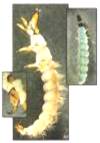
filaments and 2 long antennae. Sensitive Caddisflies (order Trichoptera): Three pairs of
legs (6 total); segmented grub-like body; some kinds may have gills along
lower and upper portions of the abdomen; small hair-like tails or hooks. Case
builders may be enclosed in a case (retreat) that they construct using stream
bottom materials such as pebbles, sand grains, woody debris, pieces of plant material
or some combination; others construct nets, which consists of materials held
together by a silk-like thread and others do neither (free-living
caddisfly). The case builders often
construct a specific case that can sometimes be used in their identification.
The common netspinning caddisfly
(family Hydropsychidae) is more tolerant than most of
the group. The abundant gills on the underside of their body, their
filamentous tails and their particular motion can distinguish them. Sensitive
– Somewhat Tolerant Fishflies and Alderflies (order Megaloptera):
Three pairs of legs (6 total); filaments along the body starting just below
the legs; variable tails at the end of the abdomen. Alderflies (family Sialidae)
have a long tapered tail; dobsonflies “also called hellgrammites” and
fishflies have hooked-tails (family Corydalidae). The
hellgrammites has gill-tufts under each of their filaments, fishflies and
alderflies do not. All members of the group have large pinching jaws on the
head. Less Sensitive – Somewhat
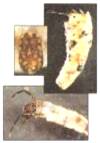
Tolerant Beetles (order Coleoptera): Three pairs of legs (6 total);
mainly rounded or oval shape as adults; a few kinds have tails hooks or
filaments, hard bodies and visible wing-pads.
The most commonly encountered beetles are the riffle beetle (family Elmidae),
which is a small dark beetle and water penny (family Psephenidae),
which looks like a penny. The whirligig beetle larva (family Gyrinidae)
may have many filaments along their bodies similar to fishflies. Less
Sensitive Damselflies (order Odonata): Three pairs of
legs (6 total); long, thin abdomen; large eyes; extended lower lip; 3 fan
like structures, which are actually their gills, at the end of the abdomen. Somewhat
Tolerant Dragonflies (order Odonata): Three pairs of
legs (6 total); extended lower lip; large eyes; rounded or extended abdomen;
no gills on the abdomen; no tails but may have knobs or points on the abdomen
that resemble tails. Less Sensitive True Flies (order Diptera): No legs or may
have structures that resemble legs (false-legs); mainly segmented grub-like
or worm-like bodies; tiny hair-like tails, lobes, tentacles or other
structures at the end of their abdomen (or no tails); often a distinct head
can be seen, but on other kinds no head is visible. Many different kinds of
flies are encountered, the more common kinds include the craneflies (family Tipulidae),
most have no legs, a plump segmented body and numerous tentacles or bulbous
structures; watersnipes (family Athericidae) has false legs and
a forked hooked tail, looks similar to a caterpillar; blackfly larva (family Simuliidae)
has a bowling pin or flower-vase
shape and fan-like structure on their head; midge fly larva (family Chironomidae)
are usually very small with a thread-like or worm-like body (some are red in
color) with a very erratic wriggling motion. There are many more Dipterans
that are sometimes collected, but the only additional photos of the biting
midge (family Ceratopogonidae), net-wing midge (family
Blephariceridae), horsefly (family Tabanidae) and dixid midge
(family Dixidae) are shown here. Sensitive
– Tolerant Non-Insect Groups Clams and Mussels (class Bivalvia):
Two cup-shaped shells connected by a hinged structure; the shell is made of
calcium carbonate and is usually very strong and hard to open. Mussels
(family Uenoidae) have an oblong rough, often dark color shell.
Most clams are smaller and have a rounded shell. The Asian clam can be
distinguished from the native pea clam (family Sphaeriidae) by
the raised ridges; pea clams are often smaller and its shell feels smooth to
the touch. . Less Sensitive – Somewhat Tolerant Operculate Snails (class Gastropoda): Single coiled
shell that mostly opens to the right when the point is held facing towards
you. These snails have an operculum “a door that shuts the shell” and are
commonly known as gilled snails. Less Sensitive Non-Operculate Snails (class Gastropoda): Single
shell that on some kinds opens to the left when the point is held facing
towards you; shells also may be rounded flat or coiled. These snails do not
have an operculum and are commonly known as pouch or pond snails. Somewhat
Tolerant Annelids: Worm-like appearance; no legs and many
segments along the entire length of the body. This group includes the aquatic
worms (class Oligochaeta) and leeches (class Hirudinea).
The suckers on both ends of their body distinguish the leeches from other
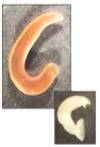
annelids. Flatworms (class Turbellaria)
are also sometimes collected, but they are not truly Annelids, they belong to
the phylum Playtyhelminthes. An image
of the flatworm is not provided. . Tolerant Crustaceans: More than three pairs (more than 6 total) of
legs; claws on the first several pairs of legs, which may be enlarged; long
antenna. This group includes the
crayfish (order Decapoda), which looks like a small lobster,
scuds “also called sideswimmer” (order Amphipoda) resemble a
shrimp and are flattened from side to side, and the aquatic sowbugs (order Isopoda)
resemble a pill bug and are flattened from top to bottom. . Less
Sensitive – Somewhat Tolerant Images
courtesy of Jeff Adams, The Xerces Society for Invertebrate
Conservation. For additioanl
information visit their web page at the address below. |